
Every room seems to flow into the next, creating a calm and connected feeling. That magic is called a seamless interior. It’s more than just matching your pillows to your curtains. This guide will give you simple, actionable steps on how to design seamless interiors. You can create a home that feels both put-together and uniquely you.
Establish a Unifying Vision and Theme
Before you pick out a single paint color, you need a big idea. This isn’t about following strict rules. It’s about deciding on the mood or feeling you want for your home.
Define Your Core Story
Your home should tell your story. Think about what makes you happy. Are you calm and quiet, or bright and energetic? Understanding who you are is the first step to a great design.
Create a Mood Board
A mood board is a perfect tool to help you find your vision. You can use Pinterest or even a real corkboard. Collect images of colors, furniture, and textures you love. Reviewing a diverse body of work can often spark initial ideas and help you see how different elements come together.

The Power of a Cohesive Color Palette
Color is one of the easiest ways to connect your entire home. A smart color plan can create a beautiful flow from one space to the next.
The 60-30-10 Rule
A simple trick designers use is the 60-30-10 rule. Your main room color should take up about 60% of the space. Then, a secondary color takes up 30%, and a final accent color makes up the last 10%. This simple formula helps create a balanced look.
Carry Colors
To make your home feel connected, let your colors travel. For instance, an accent pillow in your living room could match the color of a feature wall in your hallway. This creates a subtle visual path for the eye to follow.
Create Flow with Consistent Materials and Finishes
Using the same or similar materials throughout your home is a key secret to a seamless look. This consistency helps create a peaceful and continuous flow.
- Flooring: Using the same flooring in areas, like a living room and dining room, can make the whole space feel bigger. It removes visual breaks and lets the rooms blend smoothly.
- Hardware and Metals: Think about the small details. Using the same metal finish, like matte black or brushed gold, for cabinet handles, faucets, and light fixtures creates a polished look.

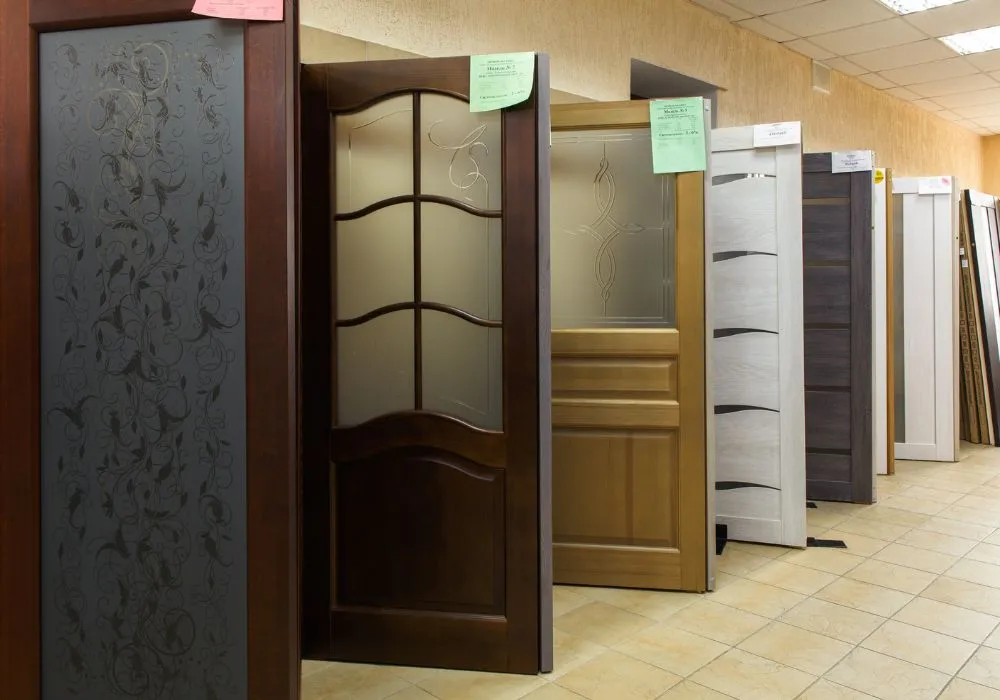
How to Integrate Interior Doors?
Doors can interrupt the flow of a room. Consider using seamless interior doors to minimize visual clutter. A pocket door that slides into the wall, or a door painted the same color as the walls, can almost disappear. According to Architectural Digest, minimizing these visual interruptions is key in modern design.
Unify Your Space Through Repetition and Rhythm
Repetition is a powerful tool in design. When you repeat certain shapes, patterns, or textures, you create a rhythm that is pleasing to the eye.
- Repeating Shapes: Try using similar shapes throughout your home. For example, if you have a curved sofa, you could echo that shape with a round mirror or a curved archway.
- Repeating Textiles: You can also repeat textiles. You can use the same fabric for the curtains in your bedroom and a cushion in your living room to tie the spaces together.
Conclusion
Creating a home that feels connected and harmonious is easier than you think. Now you know how to design seamless interiors by focusing on a few key ideas. It all starts with a clear vision and a story you want to tell. For more inspiration, you can explore stories from our emerging new designers.