Choosing an interior design direction can feel like a tug-of-war between two distinct philosophies: the sleek efficiency of modern design versus the timeless comfort of traditional aesthetics. This decision shapes the very essence of your home, influencing everything from furniture choices to the overall ambiance. Understanding the core principles, benefits, and drawbacks of modern vs traditional interior design is the first step in creating a space that truly reflects your personality and lifestyle.
The World of Modern Interior Design
Emerging from the early to mid-20th century, modern design champions the idea that form should follow function. It’s a style defined by simplicity, clean lines, and a minimalist approach that prioritizes open, uncluttered spaces.
Defining Characteristics of Modern Design
This style is recognized by its clean lines and strong geometric shapes. Furniture and architectural elements are stripped of unnecessary ornamentation. The neutral color palette is typically built on a foundation of whites, greys, and beiges, often punctuated by a single bold accent color. Modern homes frequently feature open-concept layouts and large, unadorned windows to maximize space and natural light.
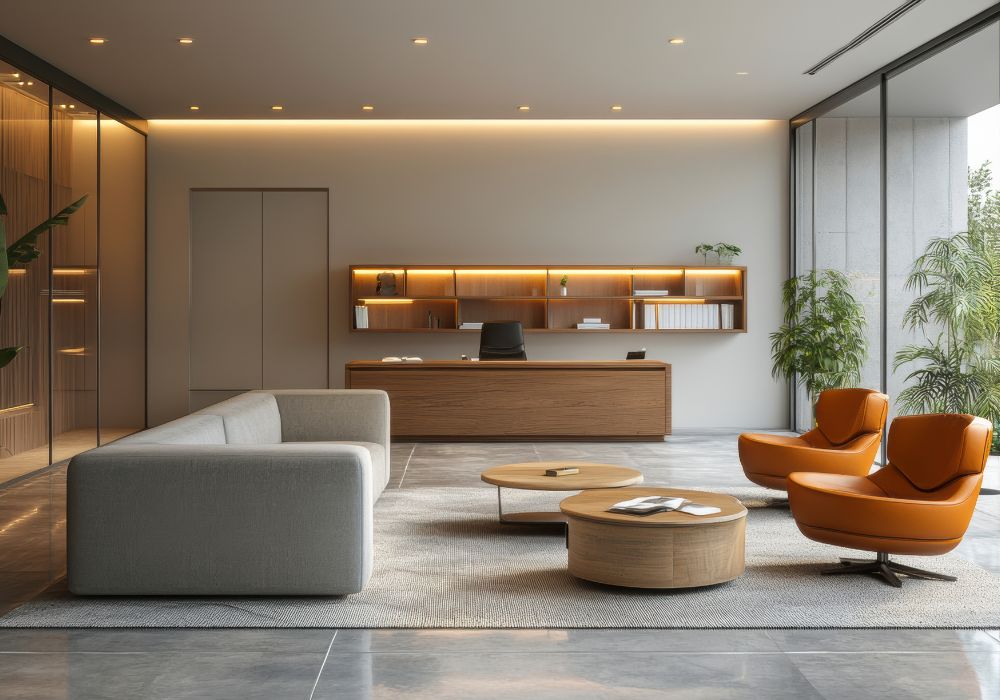
The Pros of Modern Living
Modern design offers several compelling advantages, particularly for contemporary lifestyles. Its inherent simplicity and focus on functionality contribute to a highly practical and aesthetically pleasing environment.
- The primary advantage is its ability to maximize space, especially in smaller apartments, making them feel larger and brighter.
- Its minimalist nature also translates to easier maintenance, as fewer decorative items and smooth surfaces like metal and glass require less dusting and upkeep.
- Modern homes are also easily adapted for smart technology integration.
The Cons of a Modern Aesthetic
Despite its many benefits, a purely modern aesthetic can present certain challenges. These drawbacks often stem from its emphasis on minimalism and open planning.
- The main drawback is that the minimalist look can sometimes feel cold, sterile, or impersonal without the careful addition of texture.
- Furthermore, the popular open-concept layout can limit privacy and lead to increased noise travel throughout the home, which may not be ideal for all families.
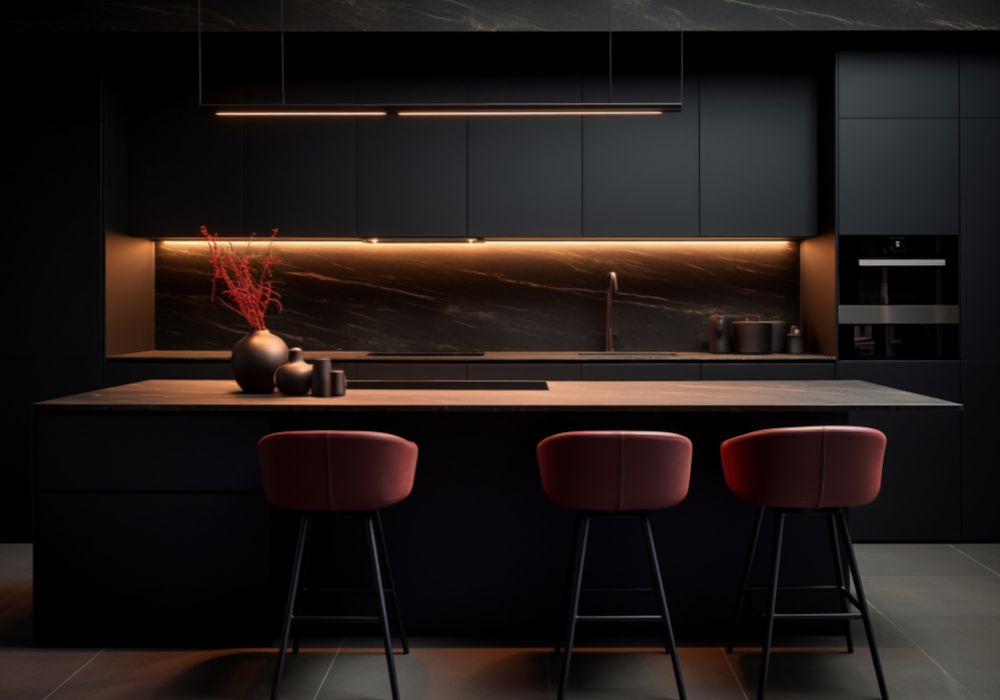
The Embrace of Traditional Interior Design
Rooted in 18th and 19th-century European decor, traditional design is all about creating a warm, inviting, and elegant atmosphere. It celebrates history, intricate craftsmanship, and rich details to achieve a timeless and comfortable feel.
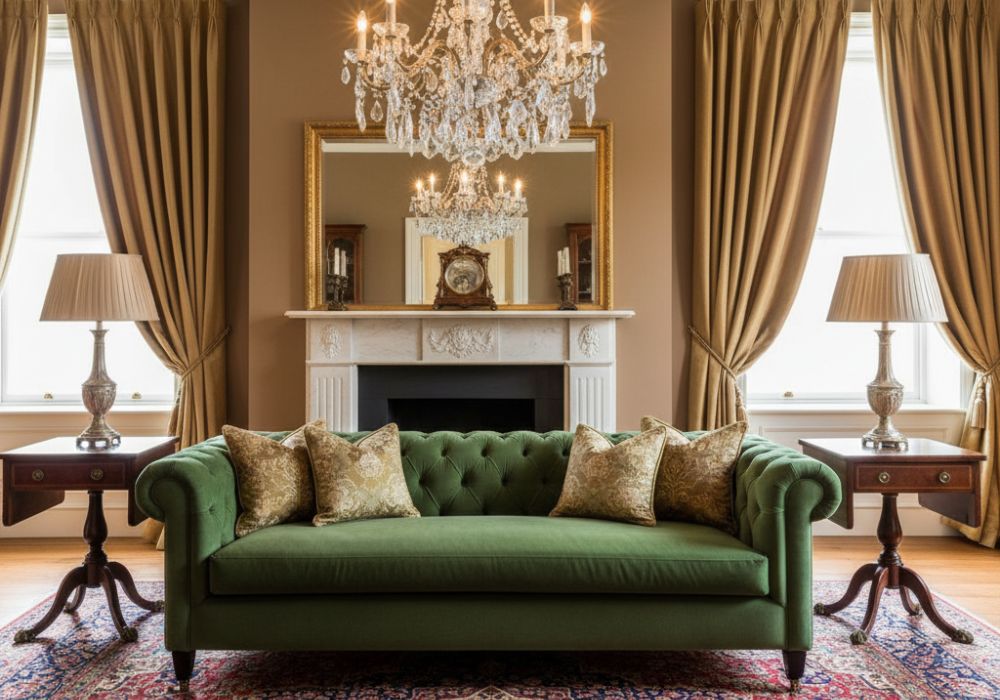
- Rich and Layered Aesthetics: This style utilizes deep, warm color palettes and luxurious, textured fabrics like velvet, silk, and brocade to create a sense of depth and comfort.
- Ornate and Crafted Furniture: Furniture acts as a centerpiece, often crafted from dark woods and showcasing intricate details such as carved legs, tufted upholstery, and elegant, curved lines.
- Emphasis on Symmetry and Order: A sense of calm and formality is achieved through balanced and symmetrical arrangements of furniture, art, and decor.
- A Warm and Inviting Atmosphere: Its greatest strength is the creation of a cozy, lived-in feeling that makes a house truly feel like a home.
- Timeless and Lasting Appeal: As a classic style, it rarely feels dated, ensuring that interiors remain elegant and hold their value over time.
- Potential for Clutter: Without a careful eye, the emphasis on ornamentation and layering can sometimes make a space feel heavy or “stuffy.”
- Higher Maintenance Requirements: The beautiful, detailed craftsmanship and luxurious materials often require more dedicated cleaning and care.
Conclusion
Your choice ultimately depends on your lifestyle and the space you have. If you love a clutter-free environment and functional simplicity, modern design is a natural fit. If you crave comfort, history, and a cozy atmosphere, a traditional custom home design will feel like home.
For those who find themselves drawn to elements of both, Transitional Design offers the perfect solution. This hybrid style blends the clean lines of modern furniture with the warmth of traditional textiles and colors, creating a balanced and personalized look that truly offers the best of both worlds.